ROSETTA, 1799
Found in the Delta
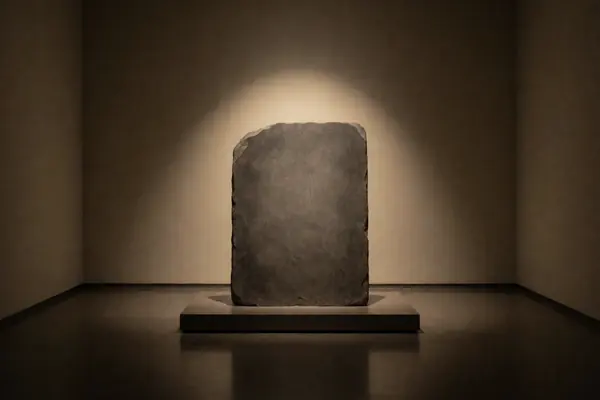
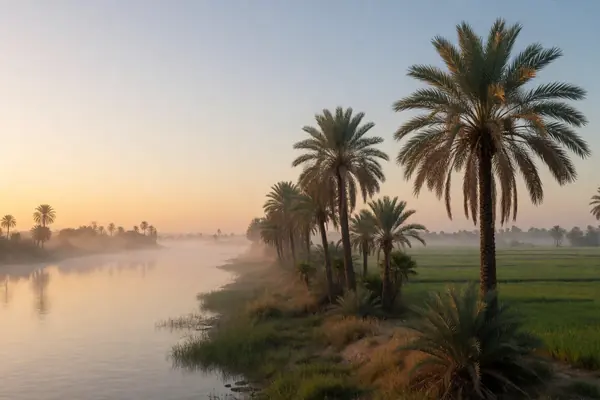
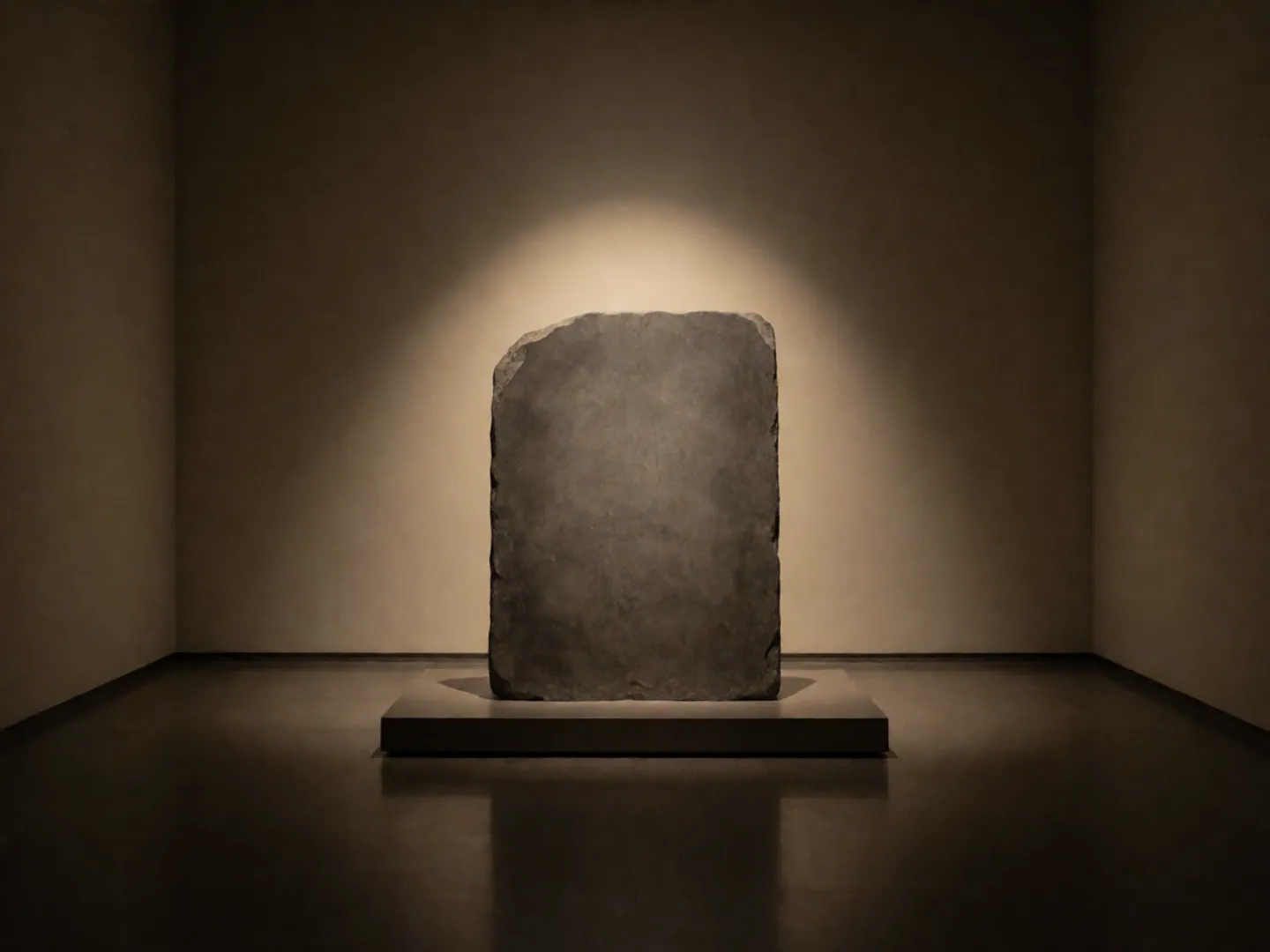
The stone was found in 1799 at el-Rashid, known as Rosetta, in the western Nile Delta, carrying the same text in three scripts.
Compare the scripts tabdual
ANCIENT WRITING IN PLAIN ENGLISH
A text you can read, next to the same text you cannot, is a key.
1 TEXT 3 scripts
1,600 Years the meaning of hieroglyphs was lost
Ancient rulers sometimes had one message carved in several languages so that more people could read it. Centuries later those repeated texts let scholars match known words against unknown signs and bring lost scripts back to life.
THE SHORT ANSWER
Two inscriptions did for two lost scripts
what a dictionary does for us.
ROSETTA, 1799
The stone was found in 1799 at el-Rashid, known as Rosetta, in the western Nile Delta, carrying the same text in three scripts.
Compare the scriptsTHE DECREE
The text is a decree issued at Memphis in honour of Ptolemy V, dated to 27 March 196 BC. Greek, which scholars could read, gave the way in.
Who cracked itBEHISTUN
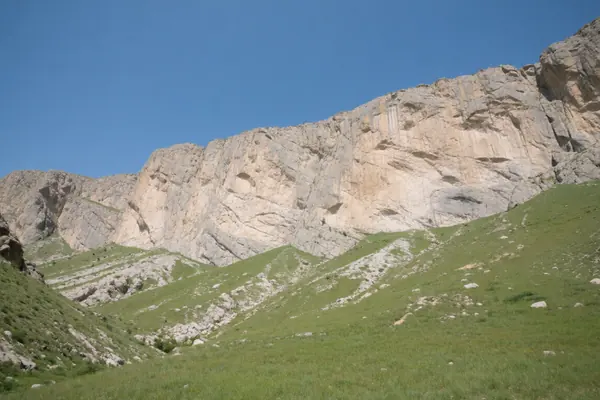
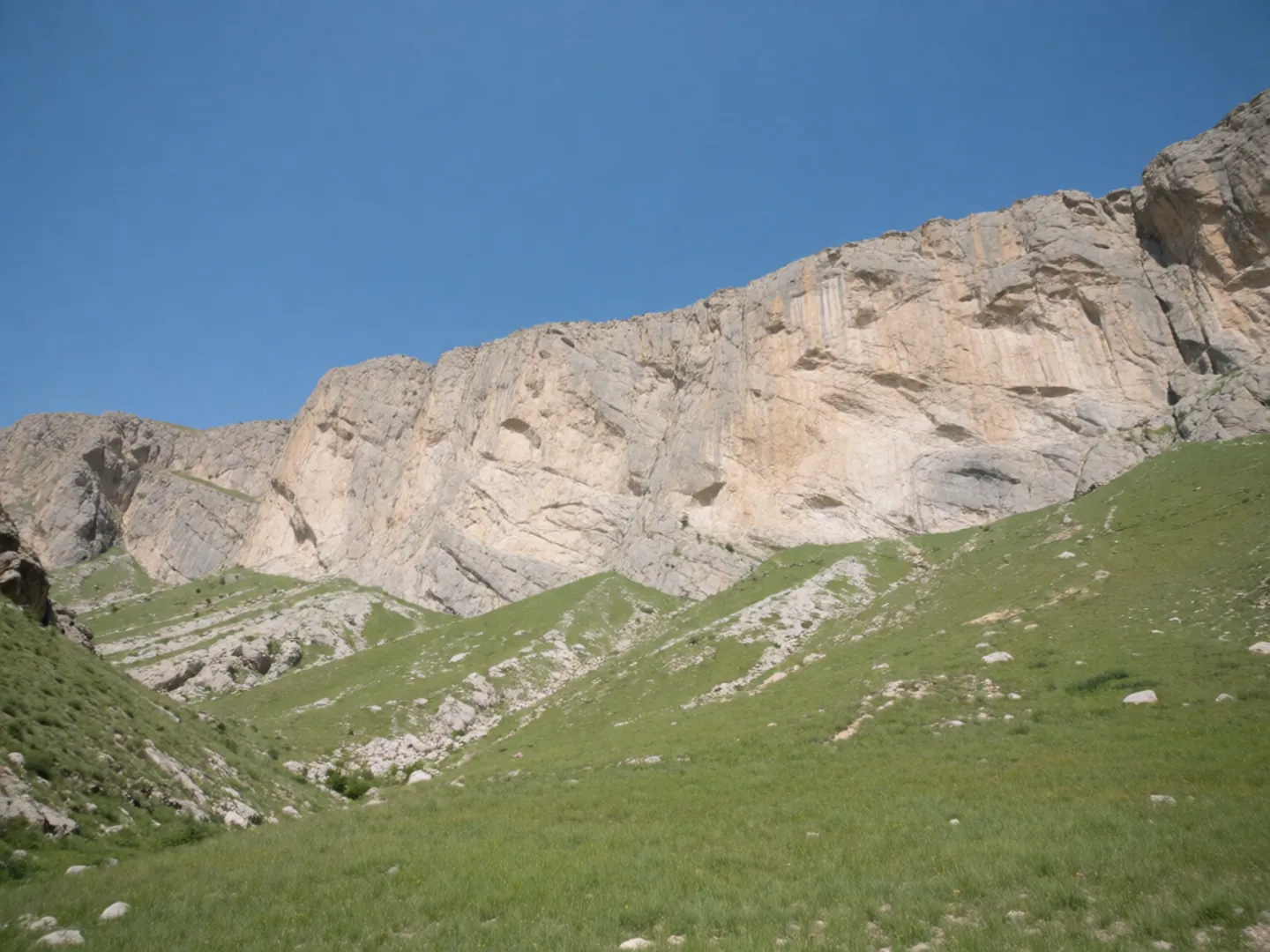
Darius I's great inscription in Old Persian, Elamite and Babylonian made it possible to decipher cuneiform.
See the numbersCOMPARE THE SCRIPTS
Pick a script to see what part it plays. The bar shows how many lines of text survive on the Rosetta Stone, or on the Behistun cliff.
Line counts from World History Encyclopedia; Behistun figures from UNESCO. None of the Rosetta texts is complete.
HOW A DUAL TEXT IS USED
Decipherment took decades and many scholars, but the basic method is simple to follow.
Start with the script you understand, such as the Greek on the Rosetta Stone.
Thomas Young was the first to identify hieroglyphs relating to the king named in the text, Ptolemy V.
Young also worked out which way the signs should be read.
Champollion showed the signs were a mixture of alphabetic, syllabic and determinative elements.
TWO NUMBERS WORTH KNOWING
One figure for how long hieroglyphs went unread,
one for the scale of the Behistun text.
1,600
Years the meaning of hieroglyphs was lost
Champollion's work in the early 1820s rediscovered the full significance of Egyptian hieroglyphs, lost for about 1,600 years, showing they mix alphabetic, syllabic and determinative signs.
HIEROGLYPHS · WORLD HISTORY ENCYCLOPEDIA
≈ 1,200
Lines of inscription around the relief
The inscription ordered by Darius I in 521 BC is written in three languages. Encyclopaedia Iranica calls it a key comparable to the Rosetta Stone for Egyptology.
BEHISTUN · UNESCO
Darius had the access path cut away after the work was finished, so until recently the inscriptions could be reached only by a steep and difficult climb up the rock face, Encyclopaedia Iranica notes.
WHO CRACKED IT
Scholars including de Sacy, Åkerblad and Thomas Young worked on the Rosetta text, with Young making significant progress. The French scholar Jean-François Champollion made the crucial breakthrough and described it in 1822 in his Lettre à M. Dacier.
The stone itself was found by an officer of engineers in Napoleon's army while an old wall was being demolished, and later passed to the British. It is now in the British Museum in London.
Questions
It carries a decree issued at Memphis in honour of Ptolemy V, to be displayed in every temple in Egypt, dated to 27 March 196 BC. The same text appears in hieroglyphic, demotic and Greek.
Because it was quickly realised that the three versions recorded the same text. The readable Greek gave scholars a way into the Egyptian scripts.
Several scholars contributed, including Thomas Young, but Jean-François Champollion made the crucial breakthrough, published in 1822.
A monumental relief of Darius I in western Iran surrounded by a great inscription in Old Persian, Elamite and Babylonian. It made the decipherment of cuneiform possible.
World History Encyclopedia gives 112.3 by 75.7 cm and 28.4 cm thick, with parts of the top corners and bottom right missing.
Updated
ABOUT THIS NAME
tabdual.com is part of the DoodleSale portfolio. It isn't in an auction right now, but you can ask about leasing it.